


Turning Late Diagnosis into Clarity and Strength
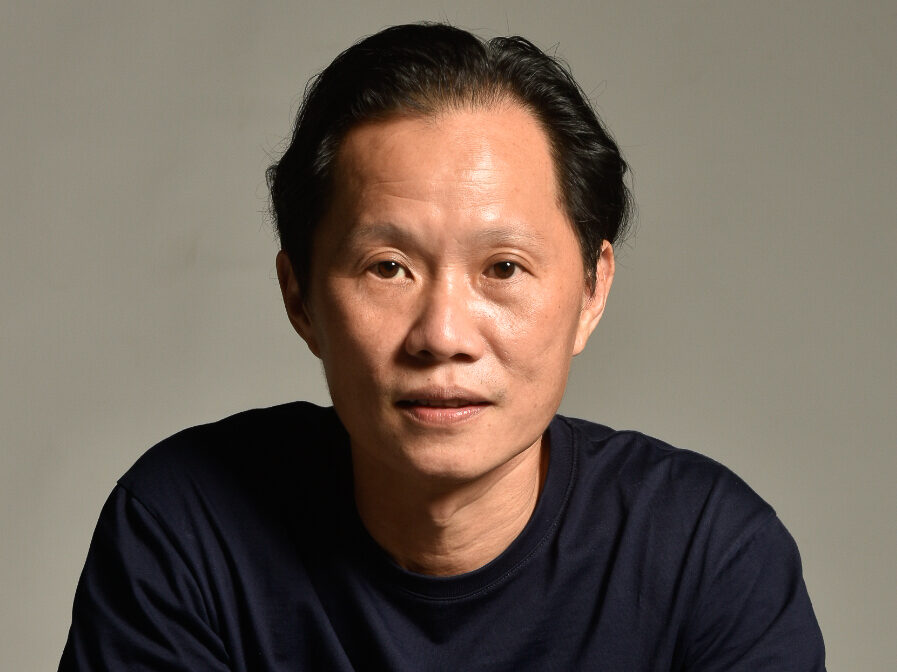
Simon Siah runs an innovation training and consultancy serving corporations across Asia. With over 20 years of entrepreneurial experience, he is also a social sector board member, advisor, mentor, and adjunct lecturer in entrepreneurship and design. He holds master’s degrees in innovation and strategic design management and is pursuing a doctorate on entrepreneurial education. In 2024, Simon was diagnosed with ADHD at 52, reshaping his personal and professional outlook.
Quote
“Not a curse, but a ‘superpower’ that has shaped who I am today.”
“While the diagnosis didn’t magically fix everything, it validated my experiences and allowed me to approach life with greater self-compassion.”
Epiphany
For as long as I can remember, I’ve struggled with inattentiveness, an inability to focus on tasks, and a persistent feeling of being behind my peers. It affected my academic performance, self-esteem, and overall sense of well-being despite my confident front. I couldn’t understand why I couldn’t grasp concepts as easily as others or why I struggled with tasks that seemed simple for everyone else.
In school, I often zoned out, daydreaming when I should have been paying attention. My mind wandered from one thought to another, and my grades, confidence, and sense of self-worth suffered. These challenges followed me into adulthood, where the lack of awareness about ADHD left me misunderstood and labelled as lazy or inattentive.
The struggles intensified during my postgraduate studies. Reading and writing became unexpectedly difficult, and simple tasks often took far longer than they should. Despite my determination, focusing on dense materials and organising my thoughts for writing was, and still is, a constant battle.
To cope, I turned to productivity tools such as apps, calendars, and task management systems, mainly to track tasks, set reminders, and ensure nothing slipped through the cracks. While indispensable, this reliance sometimes backfired, creating anxiety as I tried to manage multiple systems. Conversations with friends and resources like Unlocking ADHD helped me realise I wasn’t alone, prompting me to seek professional help. In 2024, at the age of 52, after consultations with psychiatrists from both private practice and public health services, I was officially diagnosed with ADHD.
Turning Points
Life after my diagnosis has been a journey of clarity, self-awareness, and empowerment. The process was nerve-wracking, having to face the possibility that something might be “wrong” with me. Yet it was also liberating, offering hope and understanding.
While the diagnosis didn’t magically fix everything, it validated my experiences and allowed me to approach life with greater self-compassion. I began embracing my unique strengths instead of forcing myself into methods that didn’t align with how my mind works. One of the most meaningful changes has been in my relationships. People now understand why I respond the way I do, leading to stronger connections and more harmonious interactions.
Strategies to Success
To manage my busy schedule and natural forgetfulness, I rely on productivity tools such as digital calendars, apps, and task management systems to help keep track of my commitments. Since my diagnosis, I’ve been prescribed medication, but I choose not to take it regularly. Instead, I practise mindfulness to remain aware of my ADHD and consciously navigate challenging situations.
Achievements and How ADHD Helps
I believe my biggest strength is solving complex problems by approaching challenges from unique perspectives. As a divergent thinker, I connect the dots between seemingly unrelated concepts, uncovering creative and innovative solutions. This has been invaluable in my entrepreneurial career, enabling me to adapt quickly, stay calm under pressure, and view complexity as opportunity.
These skills have helped me not just navigate obstacles but also turn challenges into opportunities, which has been a tremendous asset in my professional journey.
Advice to Younger Self
When I was growing up, there was very little awareness about ADHD. I’d tell my younger self to appreciate how he is different from others, focus on his strengths, create his own path, and be bold.
Where Are You Now?
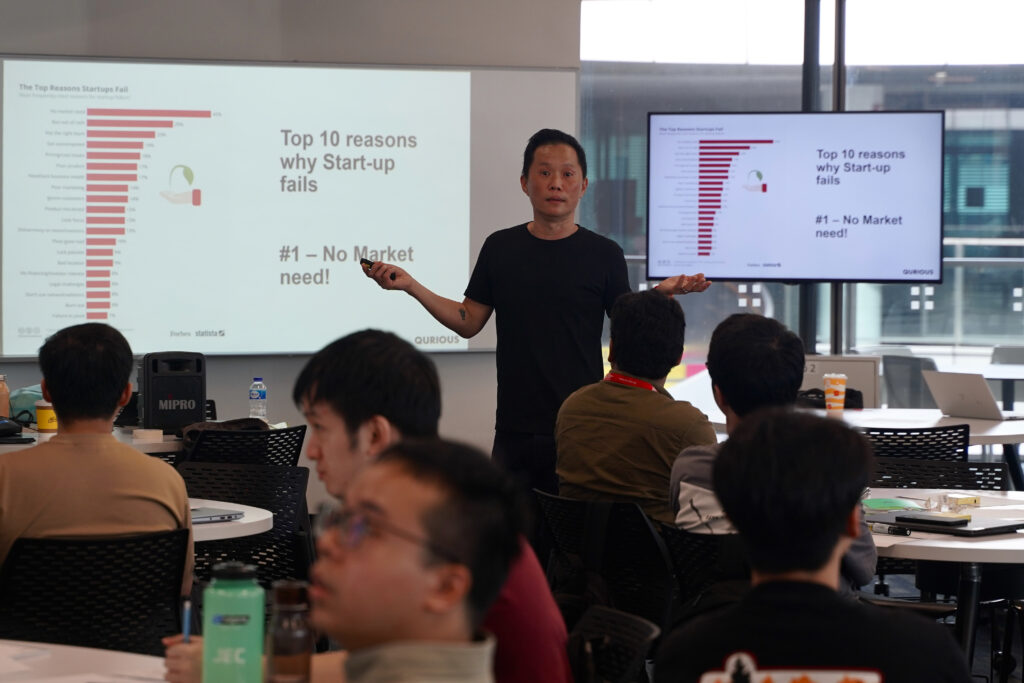
Today, I continue to run my consultancy, teach entrepreneurship, mentor start-ups, and pursue my doctoral research on the impact of entrepreneurial education on Singapore’s future workforce. I remain actively involved in the social sector, especially in the arts and elderly services, and continue to explore my creative passion for photography.
I am a board member of ArtsWok, a charity that nurtures thriving communities by harnessing the power of the arts to create dialogue, invite social participation, and build bridges across differences.
Looking back, the diagnosis didn’t change who I am, but it gave me clarity, compassion, and strength. ADHD is not a curse—it’s the lens through which I’ve learned to see possibility.
Support the ADHD Community
If you’d like to read more stories like these, consider donating $150 or more to receive a copy of our book, Differently Wired Minds as a thank-you. Limited quantities available.
Your donation helps Unlocking ADHD provide counselling, psychoeducation, and other vital support services to those affected by ADHD.
Special thanks to our sponsors whose generous support made this book possible:
MINDSET, Singapore Pools, Chua Foundation, Hyphens Pharma


Leave a Reply