


Unlocking ADHD writer Jean Ang analyses issues that ADHD children may have with food and offers tips to manage their weight.

Correlating ADHD and obesity may seem illogical. These kids should have endless amounts of energy – wouldn’t they be thin and bony? The reality is ADHD does not automatically guarantee thin, active bodies. Its symptoms may actually set off and exacerbate weight issues.
Psychologist John Fleming, Ph.D., of the Nutritional Disorders Clinic in Toronto, was among the first scientists to link ADHD and weight gain. In a 1990 study of overweight people who seemed to have difficulties experiencing weight loss, Fleming discovered that ADHD subjects presented “disturbed eating habits, with typically no regularly planned meals or snacks, and an inability to follow dietary plans for any useful length of time.”
There has been an increasing number of studies that concentrate on the link between ADHD and obesity. The study by Altfas in 2002 showed higher than expected rates of ADHD in bariatric patients with severe obesity. These years of research show a strong correlation between ADHD and obesity – so strong, “in fact, that someone with ADHD is four times more likely to become obese than someone without ADHD”. Brain chemistry, poor impulse control, and erratic sleeping habits all combine to stimulate unhealthy eating – and to leave them struggling to lose the weight gained.
How ADHD can Lead to Obesity

According to these studies, children with ADHD are indisposed to physical activities, choose to eat less-healthy foods, and consequently have higher BMIs than those without ADHD, despite their assumed hyperactivity. The symptoms of ADHD that make it difficult to focus also make it exceedingly difficult to eat well and exercise on a regular basis.
Some factors of ADHD that can cause Obesity includes:
- Executive function deficits: Maintaining a healthy weight calls for executive function skills, from selecting balanced meals to persevering with an exercise routine. Children with ADHD have inherently weaker executive functioning, which makes starting (and adhering to) a healthy daily routine far more demanding. Parents can supervise diet and physical activities, but keep in mind that children have to do that independently in the future.
- Impulsivity: We are constantly enticed with high-fat and high-sugar food. Most people can control their food-related impulses — for instance, saying no to a daily cup of bubble tea. Unfortunately, individuals with ADHD-impulsivity find this particularly hard to resist.
- Weak interoceptive awareness: Interoceptive awareness is the ability to recognise, communicate, comprehend, and take appropriate measures to internal signals such as hunger cues, thirst alert, or physical tiredness. A child with ADHD, however, is “driven by a motor”, unable to be or uncomfortable with being still for long periods of time. Thus, he or she may struggle with body markers, is more likely to interpret those as hunger, and may subsequently resort to food to fulfil that ambiguous internal need.
- Sleep disturbance: Laboratory and epidemiological studies have linked short-sleep duration and poor-sleep quality to obesity risk. Lack of quality sleep creates a hormonal imbalance in the body that promotes overeating. Simultaneously, metabolic compensation is used to preserve and store fat for unforeseen energy use because the body has evolved to prize fat and energy storage, and to signal a calorie deficit as a sign of distress or famine. However, in modern times, it is a countermeasure for children with ADHD. “Sleep is the ‘most sedentary activity’, yet it may be the only one that protects from weight gain”.
- “Procrastin-eating”: This is an interesting occurrence. There is an ADHD tendency to avoid dreary tasks by eating. Snacking on fast food is definitely more appealing to the ADHD brain than doing homework. Therefore, conscious or unconscious binging becomes a damaging form of procrastination.
- Low levels of neurotransmitters: ADHD brains have low levels of a neurotransmitter called norepinephrine, which is closely linked with dopamine. Dopamine and Gamma aminobutyric acid (GABA), an amino acid that works as a neurotransmitter, exist in insufficient amounts in the brains of people with ADHD.
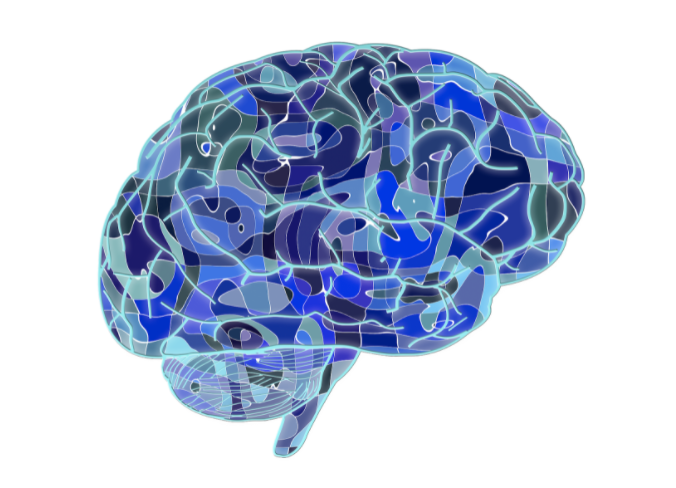
Dopamine regulates mood and muscle movement and plays an important role in the “reward system” of the brain. GABA controls motor inhibition.
People with low levels of these neurotransmitters have difficulty picking up restraining signals from the brain. Therefore, a child with ADHD would tend to eat in excess.
Evidence also suggests that the same low levels of dopamine that cause ADHD also promote overeating. John Ratey, M.D., professor of psychiatry at Harvard Medical School explains that those with ADHD are “chemically wired” to seek more dopamine, and “eating carbohydrates triggers a rush of dopamine in the brain. It’s the drive for the feeling of satiety.”
7. Hormonal development: Roberto Olivardia, a clinical psychologist at Harvard Medical School claims that “hormones and puberty definitely play a role in weight gain, as well. Sometimes pre-teens can gain weight as the body prepares for a growth spurt in height.” Children with ADHD now have more access to foods, and they are of bigger portions. They are getting more independent hence parents have less control of their children’s eating habits.
This does not necessarily mean that a child with ADHD is destined to a life of obesity. Rather, preventing obesity involves an awareness of ADHD’s effect on diet patterns, exercise habits, and general health.

How to Manage Your Child’s Weight
- Plan your family’s meals and snacks ahead of time.
- Practice good sleep hygiene, learn how to improve the quality and quantity of your child’s sleep.
- Set healthy eating rules, for example, no eating while watching TV, and having meals only at the dining table.
- Teach your child mindful eating, for instance keeping a food diary and putting down the fork in-between bites.
- Set a good example for your child by making smart food choices and exercise routines.
- Get the ADHD treated. ADHD stimulant medications will help your child better observe and regulate his or her behaviors and avoid compulsive eating.
- Avoid using the word “diet.” The term “diet” has the negative connotation of deprivation.
- Stick to a low GI eating plan.
- Try meals and snacks high in protein, complex carbs, and fiber.
- Try not to micromanage your child.
For ADHD teens and children who struggle with self-control, adults in their life may encourage them to adopt healthy habits but should refrain from imposing too many rules to avoid creating an unhealthy relationship with food. Parents may engage ADHD children and adolescents in physical, outdoor activities that may help them maintain a healthy weight while having a bonding session. Healthy lifestyle habits are rarely acquired overnight and for them to be sustainable requires discipline and willpower while retaining a degree of flexibility in eating habits.
Overall, food is meant to be fuel for our bodies and what we eat affects our physical, mental, and emotional states. ADHD individuals, young to old, should thus keep this fact in mind to ensure their all-rounded wellbeing and development.


