


Finding Light in the Dark
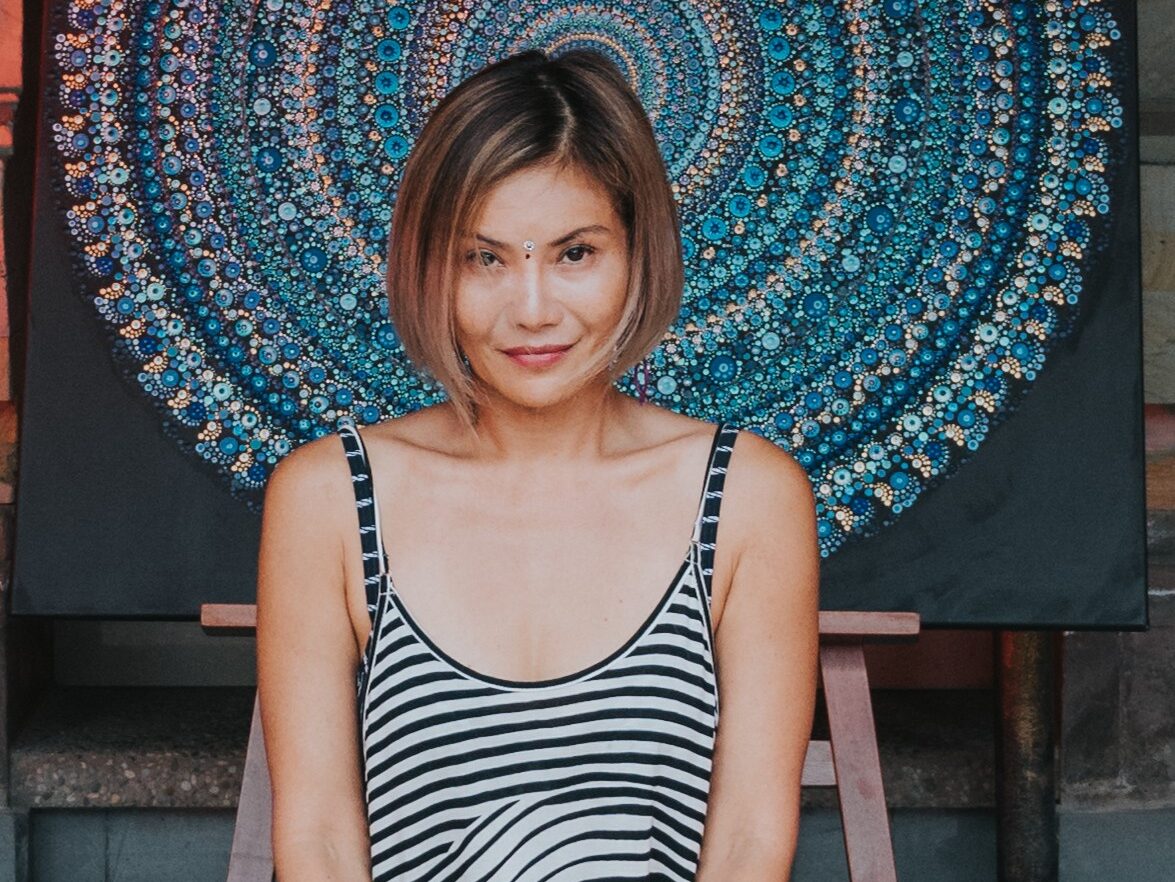
Known also as Kitkat Penn, artist and mindfulness practitioner Penny Yap has walked a long road through ADHD, dyslexia, and addiction. Healing through meditation, art, and sound, she has transformed her life and rebuilt bonds with her family. Today, Penny uses her mandala paintings to raise funds for charities, volunteers with NCSF Uplift to support individuals with special needs and continues her mission of turning pain into healing for herself and others.
Quotes
“For those of us with ADHD, physical activity is medicine. It stimulates dopamine, the very chemical our brains often lack, helping us regulate focus, motivation, and emotions.”
“ADHD won’t disappear, but I now have the tools to weather storms and help others through theirs.”
Living with ADHD and Addiction
For most of my life, I struggled silently, with directions, with reading, and with simply understanding written sentences. I often read things in my own way, but my interpretation was almost always wrong. Growing up, I just thought I was “slow” or different.
When people joked that I “must have ADHD,” especially when I turned 40, I brushed it off. It felt like just another label. I didn’t think much of it or feel the need to dig deeper.
But there was more going on beneath the surface. My dyslexia worsened, I had difficulty pronouncing words, and my mind moved too fast, faster than I could keep up. I’d find myself lost even in familiar places. I experienced anxiety, panic attacks, and racing thoughts I couldn’t slow down.
And then there was the addiction. My long-term struggle with drugs only magnified the confusion, the isolation, and the overwhelming feeling of being stuck in a dark, solitary place. Addiction wasn’t just a coping mechanism, it became a trap that worsened my ability to function, connect, and feel whole. Eventually, I knew I had to seek professional help. I yielded.
Healing Through Silence, Art, and Sound
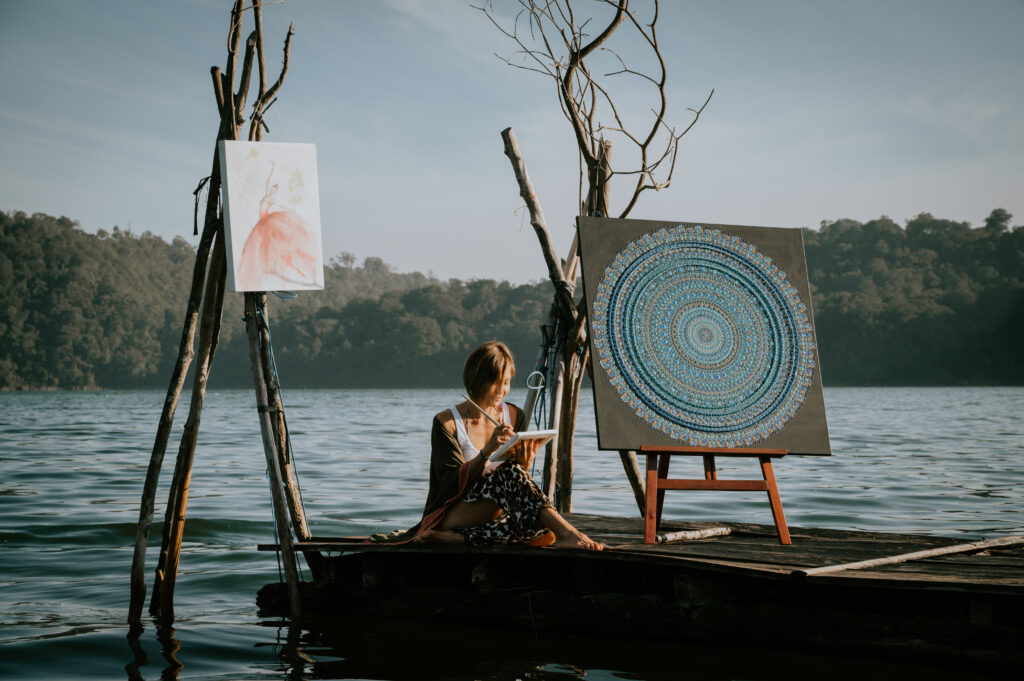
One of the most transformative experiences in my recovery was Vipassana, a 10-day silent meditation retreat with no devices, no external stimulation, and no distractions. It resets your system, forcing you to turn inward. For someone with ADHD, it was far from comfortable, but that’s the point. Vipassana pulled me out of habits, into deep self-awareness, and toward making real change.
Another anchor in my healing is mandala painting. Through every intricate dot and pattern, I find stillness in my racing mind. Today, I donate my artwork to help raise funds for charities, so what began as personal therapy has grown into something that also benefits others.
I also trained as a singing bowl therapist, using sound vibrations to support others in managing their struggles. To be able to turn my own healing into a tool that uplifts others has been one of the most meaningful parts of my journey.
Art, sound, silence – these have all become my languages.
Movement as Medicine
Regular exercise and fitness-based sports are essential for me, not only for physical health but for mental balance. For those of us with ADHD, physical activity is medicine. It stimulates dopamine, the very chemical our brains often lack, helping us regulate focus, motivation, and emotions. Exercise became my natural high, my substitute for cravings, and my way of practicing discipline.
That’s why I also volunteer with NCSF Uplift, a volunteer-driven initiative that offers strength training programs tailored for individuals with special needs. Each week, over 150 participants, called “buddies,” train with volunteer coaches. Supporting this community reminds me that movement is not just healing for me, it can transform lives for others too.
Restoring Family and Self
I grew up in a home that lacked emotional warmth. That emptiness followed me into adulthood, and I didn’t know how to guide my own son. I reacted with frustration and rage, mirroring what I had internalised. But when I began to interact with him from a place of awareness instead of unconscious emotion, everything changed. What blossomed was bliss, connection, and peace.
Today, my family is my purpose. I’ve rebuilt bonds with my mother, my brother, and most joyfully, with my son. The friendship I now share with him, based on honesty and warmth, would have been just a dream if I hadn’t chosen to change.
Reflections
They used to say ADHD is a curse. I once believed that too. But over time, I’ve come to see it as a gift. The way our brains are wired allows us to create, connect, and reflect differently.
My advice to my younger self: “Nothing lasts forever, and much of our pain is born from within. Embrace life fully and treasure your youth, for it comes and goes in the blink of time.”
ADHD won’t disappear, but I now have the tools to weather storms and help others through theirs. My journey isn’t about perfection, it’s about compassion, growth, and courage.
Support the ADHD Community
If you’d like to read more stories like these, consider donating $150 or more to receive a copy of our book, Differently Wired Minds as a thank-you. Limited quantities available.
Your donation helps Unlocking ADHD provide counselling, psychoeducation, and other vital support services to those affected by ADHD.
Special thanks to our sponsors whose generous support made this book possible:
MINDSET, Singapore Pools, Chua Foundation, Hyphens Pharma


Leave a Reply