


Becoming Enough
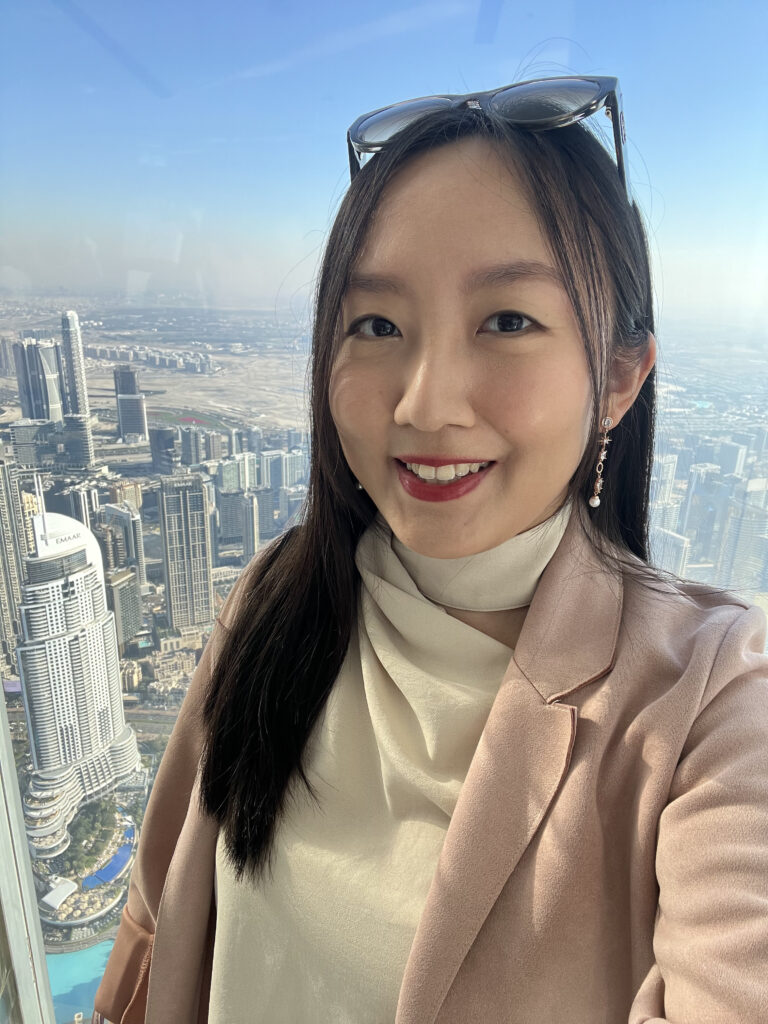
Rachel Elena Tng is currently working as an academic researcher in the field of disability inclusion and neurodiversity. Her recent foray into research is a natural extension of her advocacy work in the community. She hopes to continue working with others to dismantle stigmatised representations and improve societal perceptions and support for disabled and neurodivergent people.
Quotes
“You don’t have to be anyone else to be loved. You might struggle and stumble along the way, but as you grow into who you’re meant to be, you’ll meet people who truly accept and love you for who you are.”
“I began to see the beauty in my imperfections, which was quite a feat after years of trying to cover them up.”
Epiphany
As a kid, adults punished me whenever I broke rules or showed what they called “problematic” behavior. Teachers singled me out in class for talking too much, but the truth was I was bored and too restless to focus. I constantly heard things like, “If you’re so smart, why can’t you do this?” and “You have a lot of potential, but you need to stop making careless mistakes.”
One example that stood out was how I couldn’t keep my room organised or keep track of appointments. People assumed I was lazy or not trying hard enough. All of this—combined with noticing how much harder I had to work than most people just to handle daily tasks—made me conclude that I had ADHD.
Turning Points
The turning point came in 2022, when I finally received a formal diagnosis. By then, I had already developed my own coping mechanisms. My life didn’t change drastically on the outside, but internally, everything shifted.
Instead of feeling like a burden or a problem to fix, I began seeing myself in a more compassionate light. I started being kinder to myself during my struggles whilst embracing my strengths. For many years, my flaws made me feel unlikeable and unlovable. I’m glad to say I’ve finally reached some measure of self-acceptance since embarking on this journey.
Strategies to Success
Practically speaking, task management tools have been a lifesaver. I set specific deadlines and break tasks into smaller steps. To stay organised, I track appointments using calendar apps, and my husband and I even share a calendar to prevent double-booking.
I journal and exercise regularly to regulate both my emotions and energy. Finding the right rhythm and working with my flow really helped, more so than just working the tasks. Flows allow me to follow a process that makes sense to me, helping me align my schedule with the natural peaks and troughs in my energy levels instead of checking things off a rigid list.
Achievements and How ADHD Helps
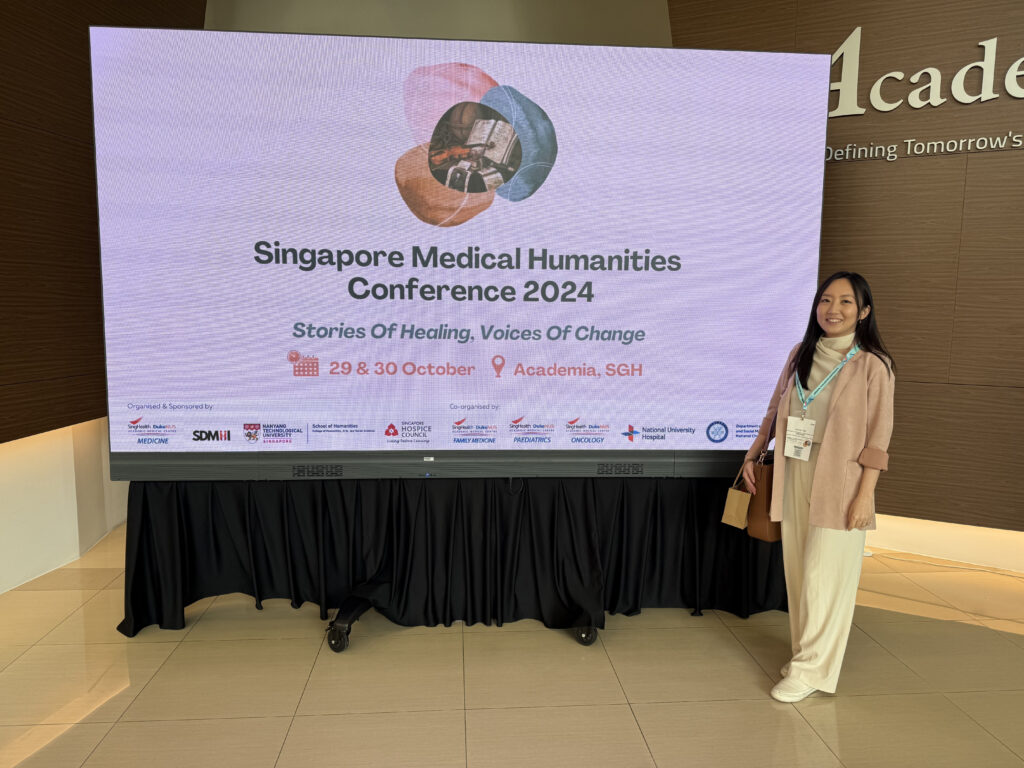
I’m proudest of my recent career pivot; from digital marketing and communications to disability and neurodiversity research. ADHD has endowed me with the ability to make associations between very unusual things and come up with creative ideas and solutions, all of which are assets in research.
The resilience I’ve built over the years of struggling with executive dysfunction has helped me stay the course, even during discouraging moments. I know how to persist, adapt, and find meaning even in uncertainty.
Advice to Younger Self
You don’t need to become someone else to be loved. You’ll hit bumps along the way, but as you become who you’re meant to be, you’ll attract people who truly accept and love you. You’ll finally know in your heart of hearts that you belong with these people, your people. They’ll remind you that you belong, and that you’re enough.
Where Are You Now?
I’m in the early stages of building a career in disability and neurodiversity research, something that grew naturally from the advocacy work I’d already been doing in the community. Since receiving my diagnosis in 2022, I’ve been learning to work with my energy instead of against it, and to show myself more compassion when I struggle. This process has brought me closer to self-acceptance, and to a version of life that feels more meaningful and congruent with my values.
Support the ADHD Community
If you’d like to read more stories like these, consider donating $150 or more to receive a copy of our book, Differently Wired Minds as a thank-you. Limited quantities available.
Your donation helps Unlocking ADHD provide counselling, psychoeducation, and other vital support services to those affected by ADHD.
Special thanks to our sponsors whose generous support made this book possible:
MINDSET, Singapore Pools, Chua Foundation, Hyphens Pharma


Leave a Reply