UnlockingADHD

Empowering ADHDers and their Families to Live Life to the Fullest

UnlockingADHD

Empowering ADHDers and their Families to Live Life to the Fullest

  • English

  • About Us
    • Publications
    • About Us
    • Our Mission/Logo
    • Our Board of Directors
    • Scientific and Medical Advisory Committee (SMAC)
    • Our Team
    • Media coverage
  • Understanding ADHD
    • What is ADHD?
    • Who should I see?
    • Should I get assessed?
    • Diagnosis / Assessments
    • Medication
    • Natural ADHD Remedies
    • Other Treatment Options
    • ADHD Comorbidities
    • Health & Nutrition
    • Personal stories
  • Living with ADHD
    • Youth
      • ADHD in Teens
      • Careers
      • Executive Function
      • Personal Stories
      • School
    • Families
      • ADHD in Children
      • School
      • Parenting Approaches
      • Personal Stories
      • Self care
    • Adults
      • ADHD in Adults
      • ADHD in women
      • Executive Function
      • Personal Stories
      • Workplace Issues
    • Differently Wired Minds
      • The UnlockingADHD Team
      • The Creatives
      • The Entrepreneurs
      • The Social Warriors
      • The Guides
      • The Catalysts
  • ADHD Resources
    • Adult ADHD Self-Assessment Tool
    • Healthcare and Community Services
    • Seminar/Conference
    • Book Reviews
    • Other Resources
  • Get Involved
    • Volunteering
    • Events
    • Donations
    • Careers
  • Contact Us
    • Contact Us (Counselling Services)
    • Contact Us (General Enquiries)
  • Donate
ADHD in Adults, Families, Relationships, Youth

How ADHD Can Impact Personal Relationships

ADHD in Adults, Families, Relationships, Youth
July 11, 2021

Facing constant conflicts in your personal relationships? Unlocking ADHD writer Tricia Lim discusses how ADHD can affect social and romantic relationships.
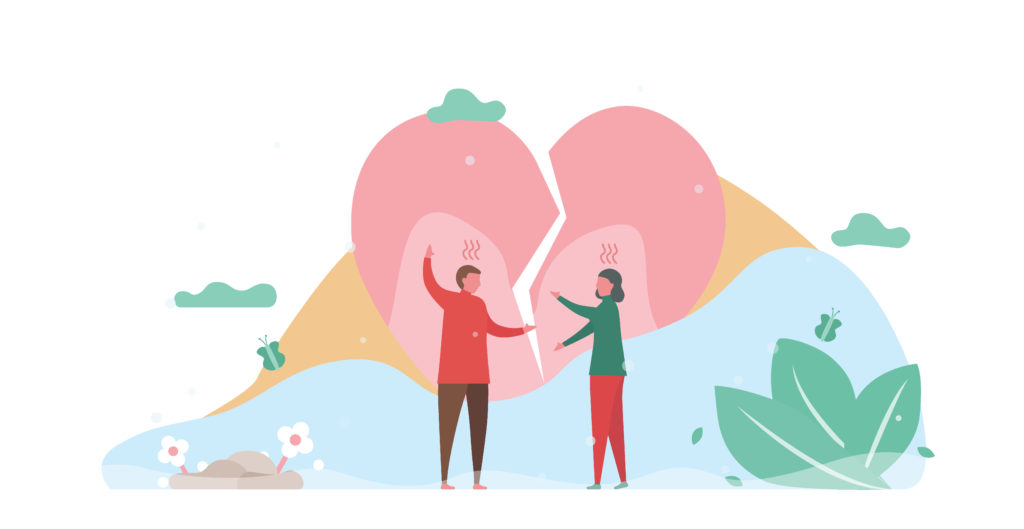
ADHD and relationships
Source: Vecteezy

Does your relationship with a loved one feel rocky? Wondering why the arguments just can’t seem to stop?

Certain symptoms associated with ADHD can cause misunderstandings, conflicts and frustration in relationships of any kind. Here are some common issues that surface in a relationship with an ADHDer along with tips to overcome them.

Forgetfulness
Source: Freepik

Forgetting something is hardly a foreign experience for anyone, but people with ADHD might be particularly familiar with it. A higher tendency for things to slip your mind can negatively impact social and romantic relationships — friends may feel as if you’re distancing yourself when you seemingly bail on yet another meet-up, and partners may feel frustrated that you frequently forget to pick up the things they asked for or fail to remember birthdays and anniversaries.

  • Set a reminder (or even multiple reminders!) for each plan you make with others the moment the date is set.
  • Post-it notes, checklists, or a dry-erase board are your best friends.

Impulsivity
Source: Vecteezy

Spontaneity and impulsivity are common parts of the ADHD package. While spontaneity can inject lots of fun in a relationship, impulsive actions can cause discord with others.

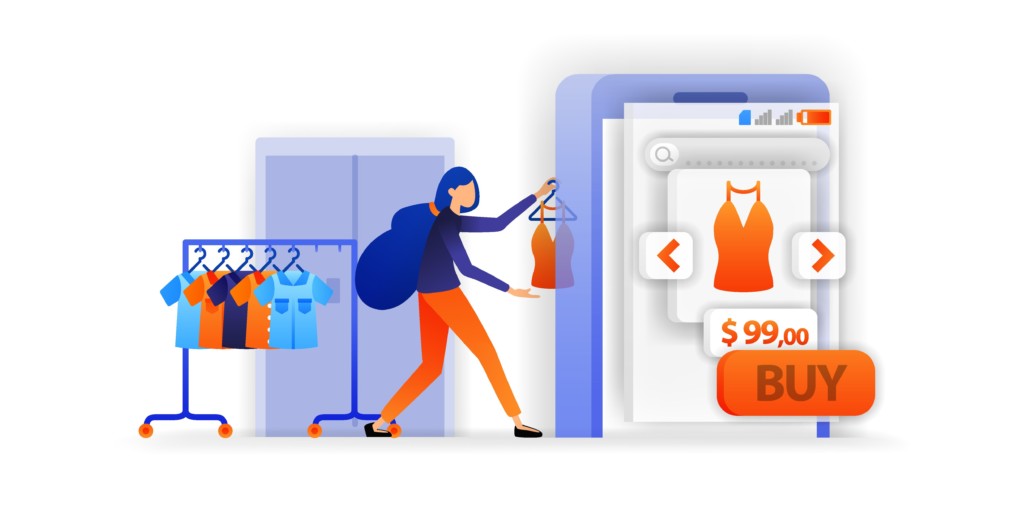
In romantic and familial relationships, for example, impulsive spending often becomes a huge issue. Impulsive speech – where your mouth moves faster than your brain – may also unintentionally hurt others, creating a rift in relationships.

  • Create a list of what you need before you leave to shop, and keep to the list.
  • Build awareness of the things you say each day and notice when you tend to speak before thinking.
  • Practise pausing for a brief moment before you respond. Consider how your words may be perceived by others.

Distraction

A tendency to be easily distracted may also commonly contribute to conflicts. Frequently going off-topic or being distracted in the middle of a conversation can cause partners and friends to feel unheard and unimportant.

  • Set aside time to engage in face-to-face conversation and put away potential distractions such as your phone.
  • Be present and practise mindfulness — notice when you’re starting to drift off, take mindful breaths and bring yourself back to the present.
  • Sometimes, your mind just takes you away elsewhere — in such cases, it’s better to fess up and ask them to repeat what they said than pretend that you heard it all.

Hyperfocus

Conversely, people with ADHD may have a tendency to go into periods of hyperfocus as well. While this may be beneficial in boosting productivity and completing projects, hyperfocus can also cause you to be unaware of others and unintentionally neglect relationships.

  • Avoid activities that could potentially trigger hyperfocus near mealtimes or other times when you should be fully engaging with others.
  • If deadlines are approaching and you need to hyperfocus on projects, explain to your loved ones in advance to circumvent potential misunderstandings. This way, they’re also less likely to take it personally.

Disorganisation
Source: Freepik

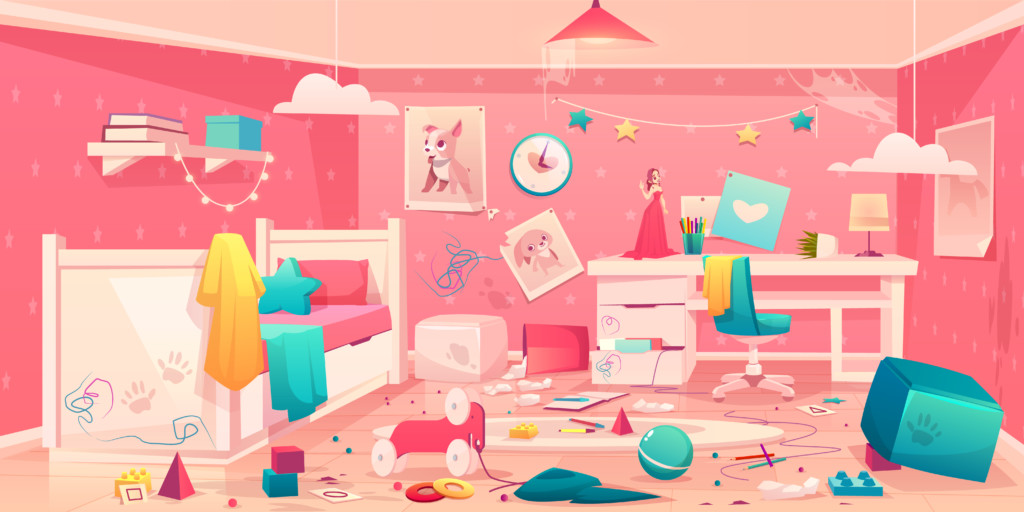
Along with ADHD often comes problems with organisation or unorthodox ways of arranging and doing things. Unfortunately, this may pose a challenge in familial, social or romantic relationships, particularly when there is cohabitation involved.

  • Play to your strengths — perhaps you’re not the best in cleaning up, but you sure are everybody’s favourite cook. Explore the option of swapping out cleaning duties for cooking for everyone more often.
  • Limit your clutter to one room or one corner of a room.
  • For the non-ADHDer: respect the ADHDer’s need to keep items in certain spots as this may simply be their way of organisation.

Emotional Dysregulation

Severe mood swings and low frustration tolerance in ADHDers may hurt the other party in a relationship. On the other hand, ADHDers may also get more easily upset by others due to rejection sensitivity, thus sowing seeds for discord.

  • When faced with tense emotions and potential conflict, it’s important for both parties to avoid the blame game and communicate calmly and clearly.
  • Take deep breaths, and give each other space and time to calm down and sort out your emotions before talking it out to avoid blaming or being defensive.

Conclusion

Above all, learning about ADHD and understanding that these are not character flaws are essential to tiding through the adverse impacts that ADHD may have on a relationship.

Building a relationship with someone who has ADHD may come with its fair share of difficulties, but with patience and, if necessary, external help such as couples therapy, they are definitely manageable. Plus, ADHD doesn’t just bring negatives to a relationship – there are plenty of positive qualities worth appreciating too!

If you like this article and find it helpful, please share this with your networks. Do consider donating to support us in our mission to empower ADHDers and their families to live life to the fullest so that we can continue to create more content that informs and equips the ADHD community – Please Donate To Support UA.

*DISCLAIMER: This information is provided for educational purposes only and does not constitute medical advice. Should you suspect that you have ADHD, consider seeking the advice of a trained mental health professional with any questions you may have about your condition.

Subscribe to our newsletter

  1. My Convoluted Road from an ADHD Diagnosis to Self-Acceptance
  2. Acceptance, understanding, and discovering my ADHD superpower

Resources on ADHD

  • Adult ADHD Self-Assessment Tool
  • Understanding ADHD
  • Healthcare and Community Services
  • Support Groups
  • Online Resources
  • Contact Us (General Enquiries)
  • Contact Us (Counselling Services)

Follow us

Copyright © 2026 · Unlocking ADHD Ltd. All rights reserved. Terms | Privacy policy
Unlocking ADHD Ltd does not provide medical advice, diagnosis, or treatment. The material on this web site is provided for educational purposes only.

We use cookies on our website to give you the most relevant experience by remembering your preferences and repeat visits. By clicking “Accept All”, you consent to the use of ALL the cookies. However, you may visit "Cookie Settings" to provide a controlled consent.
Cookie SettingsAccept All
Manage consent

Privacy Overview

This website uses cookies to improve your experience while you navigate through the website. Out of these, the cookies that are categorized as necessary are stored on your browser as they are essential for the working of basic functionalities of the website. We also use third-party cookies that help us analyze and understand how you use this website. These cookies will be stored in your browser only with your consent. You also have the option to opt-out of these cookies. But opting out of some of these cookies may affect your browsing experience.
Necessary
Always Enabled
Necessary cookies are absolutely essential for the website to function properly. These cookies ensure basic functionalities and security features of the website, anonymously.
CookieDurationDescription
cookielawinfo-checkbox-analytics11 monthsThis cookie is set by GDPR Cookie Consent plugin. The cookie is used to store the user consent for the cookies in the category "Analytics".
cookielawinfo-checkbox-functional11 monthsThe cookie is set by GDPR cookie consent to record the user consent for the cookies in the category "Functional".
cookielawinfo-checkbox-necessary11 monthsThis cookie is set by GDPR Cookie Consent plugin. The cookies is used to store the user consent for the cookies in the category "Necessary".
cookielawinfo-checkbox-others11 monthsThis cookie is set by GDPR Cookie Consent plugin. The cookie is used to store the user consent for the cookies in the category "Other.
cookielawinfo-checkbox-performance11 monthsThis cookie is set by GDPR Cookie Consent plugin. The cookie is used to store the user consent for the cookies in the category "Performance".
viewed_cookie_policy11 monthsThe cookie is set by the GDPR Cookie Consent plugin and is used to store whether or not user has consented to the use of cookies. It does not store any personal data.
Functional
Functional cookies help to perform certain functionalities like sharing the content of the website on social media platforms, collect feedbacks, and other third-party features.
Performance
Performance cookies are used to understand and analyze the key performance indexes of the website which helps in delivering a better user experience for the visitors.
Analytics
Analytical cookies are used to understand how visitors interact with the website. These cookies help provide information on metrics the number of visitors, bounce rate, traffic source, etc.
Advertisement
Advertisement cookies are used to provide visitors with relevant ads and marketing campaigns. These cookies track visitors across websites and collect information to provide customized ads.
Others
Other uncategorized cookies are those that are being analyzed and have not been classified into a category as yet.
SAVE & ACCEPT

Daniel

This image has an empty alt attribute; its file name is logo-2-1.png
AMKFSC Community Services has a Psychological Services Unit (PSU) which has a team of clinical and counselling psychologists for children/youth and their parents. Core services include psychoeducational assessments (5 to 16 years old) for ADHD and other learning disabilities. They also offer group and individual psychotherapy. They only provide services to residents in their constituency.

Fees are $70 per one hour session. Psychoeducational testing ranges between $750 to $1,120 depending on the tests required.

Email: psureferral@amkfsc.org.sg.

Moonlake is the Founder of Unlocking ADHD. A community builder and multi-hyphenate, she runs to fat burn so that she can enjoy food with family and friends. She is still working on strengthening the brakes for her ADHD wiring…