


Advocating for Neurodivergent Children and their Rights
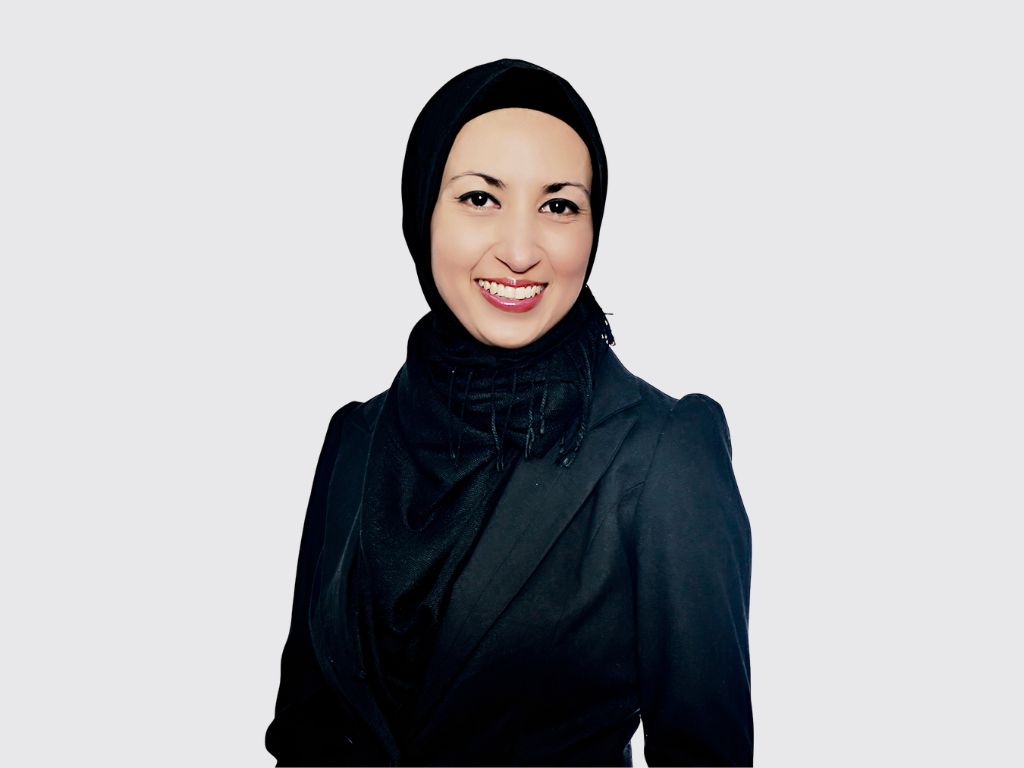
Dr Hana Alhadad is a child and family specialist, and co-founder of the Hayat Collective – a child-centred practice focused on safety, voice and belonging for children and families. She is also a Senior Research Consultant with EveryChild.SG. With a background in community development and psychology, Hana focuses on child and adolescent mental health, trauma-informed practices, and inclusive spaces for neurodivergent families. A mother of three neurodivergent children, she blends research, advocacy, and lived experience to in the work she does.
Quote
“You’re not lazy, broken, or too much. You’re dancing in a world that doesn’t understand your rhythm.”
“My ADHD gives me an ability to connect dots others miss, to think in patterns, and to feel deeply. It brings creativity and empathy; while also demanding I navigate real challenges every day. It helps me look beyond surface behaviours to the story underneath. It’s both a weight and a gift – a rhythm I’ve learned to move with, not against.”
Early Signs and Diagnosis
ADHD didn’t just show up in my life – it’s always been part of me. Looking back, I realise I’ve felt different since primary school. I was impulsive, easily distracted, slow to start things, and prone to jumping into new passions so intensely that I’d eventually wear myself out.
I became aware of ADHD and other neurodivergent conditions while pursuing my doctorate in community development. For most of my life, I masked. During my teens and early adulthood, I looked put-together, yet I battled constant overwhelm, anxiety, and fatigue. On some days, those struggles pinned me down and pushed me into depression.
I normalised my struggles for years. But when my daughter was diagnosed, everything suddenly made sense. I saw patterns in her that mirrored my own. The way she navigated the world helped me recognise how I had been navigating mine all along.
The hardest part was how invisible my challenges were. Being “high functioning,” people assumed I was thriving. But they couldn’t see the toll of sensory overload, masking, decision fatigue, emotional intensity, and burnout. I carried it all silently.
Insights and Strategies
I’ve learned that ADHD is not a character flaw; it’s a way of processing the world. I now listen to my body and my nervous system and honour my needs instead of overriding them. I’ve adopted tools and routines to help me focus, capture ideas, stay accountable, and perform at my best. Most importantly, I’ve stopped forcing myself into systems that don’t work for my brain. Designing systems around how I work best has changed everything.
Strengths and Achievements
I’m proudest of creating environments for children that celebrate their differences and honour who they are. Spaces where they can show up fully, knowing they’ll be seen and heard.
My ADHD gives me an ability to connect dots others miss, to think in patterns, and to feel deeply. It brings creativity and empathy, while also demanding I navigate real challenges every day. It helps me look beyond surface behaviours to the story underneath. It’s both a weight and a gift – a rhythm I’ve learned to move with, not against.
Doing this while unlearning years of self-doubt makes it even more meaningful. I’m not just advocating for others – I’m healing myself too.
Advice to My Younger Self
You’re not lazy, broken, or too much. You’re dancing in a world that doesn’t understand your rhythm.
You don’t have to keep masking or shrinking yourself to fit in. One day you’ll learn that your difference is your gift, that you can rest, that you can be loved just as you are – and that you were never the problem.
Changing How the World Sees ADHD
I want people to see us not as forgetful, chaotic, or difficult, but as creative, passionate, sensitive humans who experience the world intensely and honestly. What I hope most is that people stop saying, “Aren’t we all a bit ADHD?” We are not. Maybe they mean well. Maybe they are trying to connect, but it often lands as erasure of our experiences.
Neurodivergence is not “sometimes” – it is always. It is patterned, persistent, and shapes every part of our experience. It comes with exhaustion and insight, overwhelm and brilliance, shame and strength – and an ongoing negotiation with systems that don’t quite know how to hold us.
For me, neurodivergence is the terrain I navigate daily, the rhythm of my household, the filter through which every system interacts with us. It is also often the reason we are misunderstood, unsupported, or exhausted beyond words. True empathy is about witnessing difference, not collapsing it. Living with neurodivergence isn’t an occasional inconvenience; it is a continuous, full-body reality that demands constant navigation.
Where I Am Today
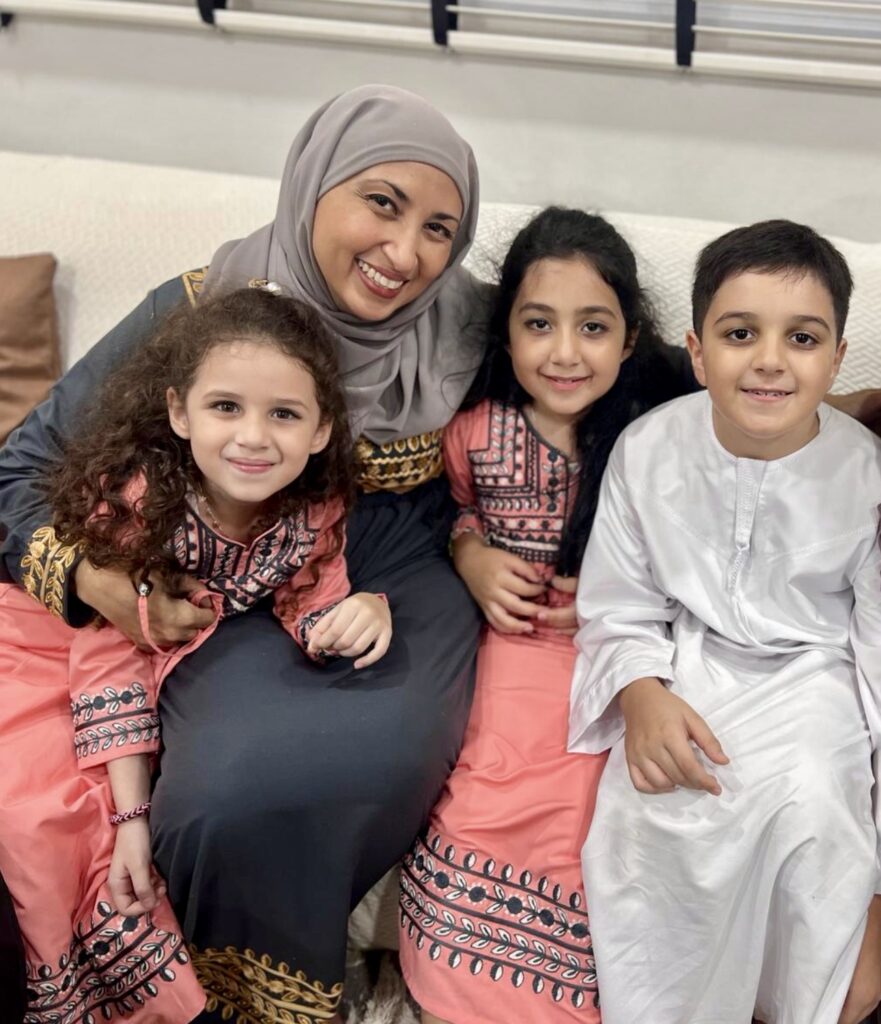
I’m raising three neurodivergent children with deep love. With them as co-founders, we are building “Hayat Collective” to honour and advocate for children’s rights and dignity, especially for those most misunderstood. I’m still learning and unlearning every day, but I’m finally showing up as my full self – living my truth and helping others do the same.
Support the ADHD Community
If you’d like to read more stories like these, consider donating $150 or more to receive a copy of our book, Differently Wired Minds as a thank-you. Limited quantities available.
Your donation helps Unlocking ADHD provide counselling, psychoeducation, and other vital support services to those affected by ADHD.
Special thanks to our sponsors whose generous support made this book possible:
MINDSET, Singapore Pools, Chua Foundation, Hyphens Pharma


Leave a Reply