


Seeing the Patterns Others Miss

Greg Tucker-Kellogg is an educator, scientist, and advocate whose career spans biophysics, bioinformatics, and biotechnology. Currently a Professor at the National University of Singapore, he also runs the YouTube channel Biotech and Bioinformatics with Prof Greg, sharing science with a broad audience. Diagnosed with ADHD in his 30s, Greg has since combined self-awareness, organizational strategies, and creative expression—including his love of music—to navigate both challenges and strengths.
Quotes
“That habit, of wandering into other fields, has led to some of my best scientific contributions. Most of the things I’ve done that I’m proud of came from identifying something in a field far away and bringing it into the problem I was working on.”
Don’t just rely on your talents or abilities. You have to recalibrate to the reality of ADHD — the competition for your attention that is always there. And you have to treat it with respect.”
Early Signs and Struggles
I was diagnosed with ADHD only in my 30s. Before that, whenever I had issues, I blamed myself for being lazy or disorganized. From when I was very small, I was seen as a gifted kid and singled out for various programs. I did really well on tests but was completely disorganized with homework, assignments and everything else.
Looking back, I was what today we’d call twice exceptional. At the time, there was no language around that. I could accelerate in chemistry, place out of college classes, and still end up with terrible grades because I wouldn’t turn things in. Teachers were mystified. My Advanced Placement (AP) chemistry teacher once told me I lacked “mental maturity.”
In college at Carnegie Mellon, the same cycle repeated. If a subject captured my interest, I did really well. If it didn’t, I blew it off.
Diagnosis and Reframing
It wasn’t until my 30s in Boston that I went to therapy and got a formal diagnosis. That diagnosis explained so much – the shame, the conflicts, the endless self-criticism. Everything I’d done poorly, I’d blamed on a lack of willpower or follow-through. Suddenly, it made sense.
Medication was part of my journey. But my relationship with meds has always been complicated. For a long time, it felt like a battle with the diagnosis itself. I wanted to prove I could get over it on my own.
Finding Strategies
Even before meds, I started experimenting with organizational systems. At first, I resisted lists and self-help. I felt embarrassed even being in the self-help section of a bookstore. But eventually I broke down and tried different systems.
The real turning point came when I met David Allen, the author of Getting Things Done, on a plane. Later, when his book came out, I started using his system. It was transformative and practical. Externalize, externalize, externalize. Getting things out of my head and onto paper reduced my anxiety and gave me a way to manage executive function.
Of course, I still fall off the wagon. I’ll use it, then drift, then come back. But when I do use it, it makes all the difference.
Strengths and Achievements
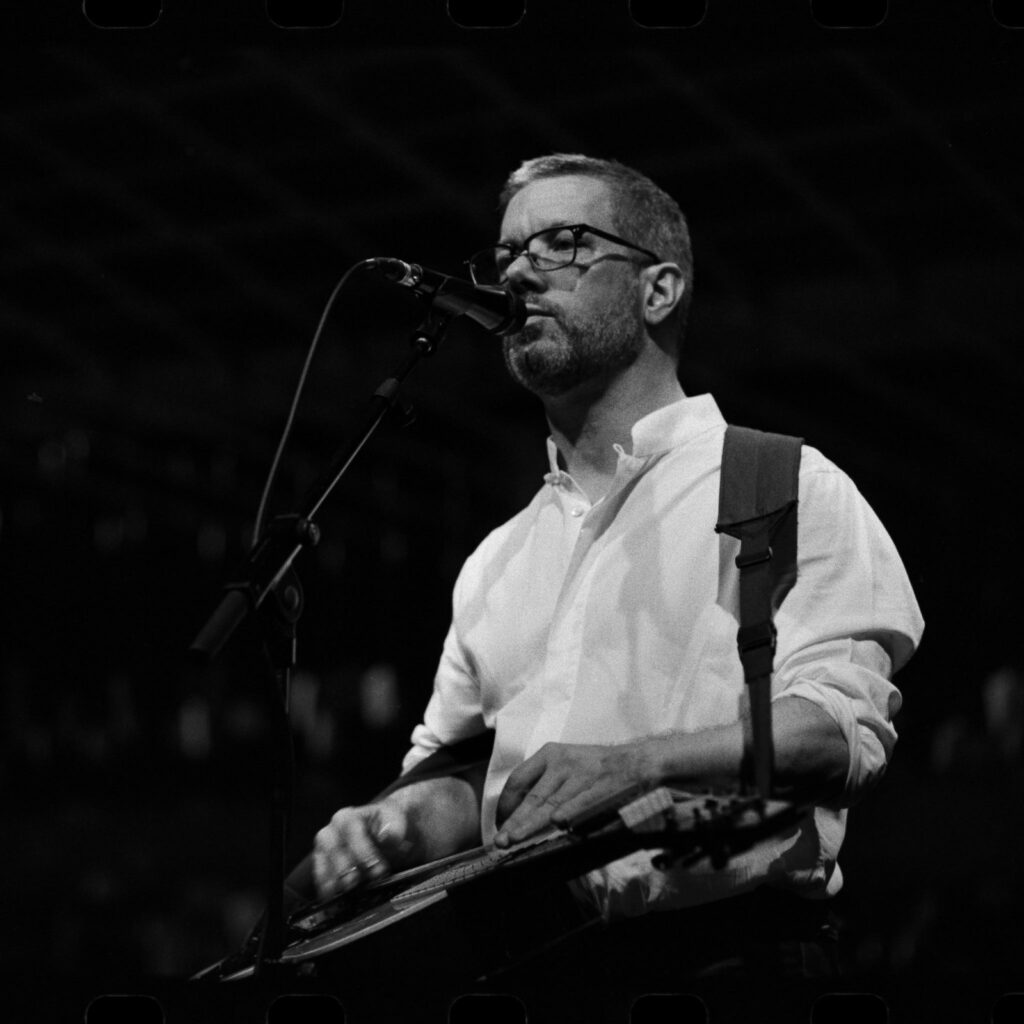
If ADHD has been a challenge, it has also been a gift. I’ve always had an active imagination and a tendency to read widely. That habit, of wandering into other fields, has led to some of my best scientific contributions. Most of the things I’ve done that I’m proud of came from identifying something in a field far away and bringing it into the problem I was working on.
That same curiosity shaped my teaching. When I came back from industry into academia, I reinvented how I taught. I wanted students not just to memorize but to understand.
And during COVID, my ADHD-fueled passion for fairness and truth drove me into another area: Misinformation. A friend of mine was deeply worried about ivermectin and vaccines. We had ongoing discussions for months. When I saw a YouTube video falsely claiming Pfizer’s antiviral was just a repackaged ivermectin, I was furious. I pulled out my phone and ranted. That short video went viral. Soon after, I made an 80-minute debunking video that exploded in reach.
What mattered to me was not preaching to the converted but making content that people across divides could watch. I wanted to be balanced, factual, and calm, something that might lower the temperature and actually get people to think.
Reflections and Advice
If I could speak to my younger self, I’d say: Slow down. Don’t just rely on your talents. Recalibrate to the reality of ADHD. Ordinary things will take longer. Respect that and stop expecting perfection overnight.
For the broader world, I wish we’d stop debating whether ADHD is over- or under-diagnosed. That discussion isn’t useful. See people where they’re at. Everyone has their own wiring, strengths, and barriers. Recognize the individuality instead of trying to measure prevalence.
ADHD doesn’t define me, but it shapes how I move through the world. And by accepting that, by externalizing, recalibrating, and channelling my passions, I’ve been able to turn what once felt like a burden into something that contributes value.
Support the ADHD Community
If you’d like to read more stories like these, consider donating $150 or more to receive a copy of our book, Differently Wired Minds as a thank-you. Limited quantities available.
Your donation helps Unlocking ADHD provide counselling, psychoeducation, and other vital support services to those affected by ADHD.
Special thanks to our sponsors whose generous support made this book possible:
MINDSET, Singapore Pools, Chua Foundation, Hyphens Pharma


Leave a Reply