


Workarounds for Success
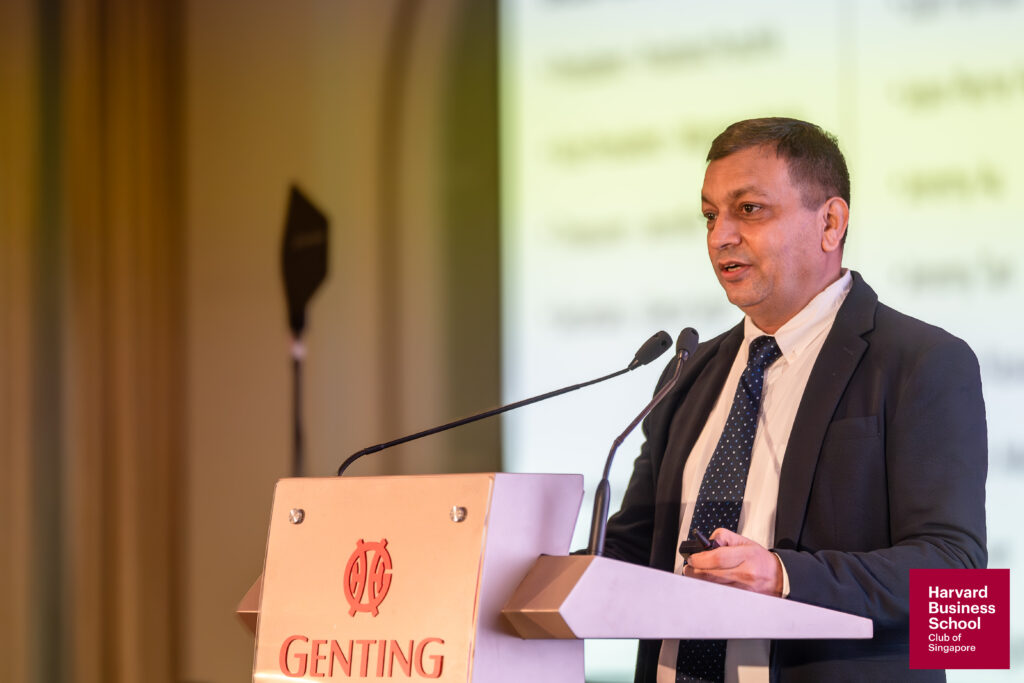
Entrepreneur and mental health advocate Prashant Pundrik was diagnosed with ADHD as an adult after years of high achievement alongside hidden struggles. Today, he runs multiple global businesses, volunteers with Caregivers Alliance, and champions greater awareness of ADHD. His journey is one of rebuilding after loss, finding strategies that work, and reminding the world that ADHDers are differently abled — with unique strengths, creativity, and resilience that can fuel extraordinary impact.
Quotes
“I have understood that there is no point trying to correct or fight my weaknesses; I just have to accept them and create workarounds.”
“Take ADHD seriously, get diagnosed early, and don’t waste time in denial. The earlier you embrace it, the sooner you can build strategies that work for you “Many ADHDers are very successful entrepreneurs because we are inherently risk-takers.”
Early Signs
As a child, ADHD showed up in my inability to focus, constant daydreaming, and endless talking in class. While teachers were teaching, I would drift into fantasies about being a millionaire or a famous person. I had trouble waking up early and, as I grew older, I realised I was prone to addiction.
I first suspected ADHD after reading Overloaded Circuits: Why Smart People Underperform. That led me to Dr Hallowell’s Driven to Distraction. The descriptions resonated so strongly that I sought help. A psychiatrist confirmed the diagnosis, finally giving me language for what I had struggled with all my life.
Crises and Turning Points
My biggest challenges were focus, emotional dysregulation, and relationships. I was easily rattled, quick to anger, and often said impulsive things that hurt others.
The turning point came during COVID-19, when both my family life and businesses fell apart. I realised I couldn’t keep repeating the same patterns. I began to take ADHD seriously, exploring causes and strategies. It was a moment of reckoning, but also of renewal.
In early 2021, I launched two new businesses: one scaling clean-energy solutions and another helping consumer brands expand in Southeast Asia. This time, I acknowledged my weaknesses. Knowing I wasn’t detail-oriented or organised, I hired people with those strengths. As a result, the businesses thrived and expanded globally.
Finding Workarounds
I’ve learned not to fight my weaknesses but to create workarounds. Medication levels the playing field. I use apps like Freedom to block distractions, and I make my goals public to stay accountable.
I’m upfront about ADHD with colleagues, telling them there may be times I come across as rude or appear to slack, and I ask forgiveness in advance. That honesty creates understanding, and it reduces the shame that often weighs ADHDers down.
Advocacy and Caregiving
Beyond work, I am deeply committed to mental health advocacy. I volunteer with the Caregivers Alliance Limited (CAL), supporting families of people with mental health conditions. Caregivers often neglect their own well-being, and through CAL I emphasise that “caregivers must first care for themselves”.
I also speak publicly to reduce stigma and to encourage early intervention. In media interviews, I’ve shared how parents can better support children by recognising signs early and responding with empathy rather than denial. For me, ADHD advocacy is personal and purposeful — it is about building a society where neurodivergence is accepted.
Strengths and Achievements
Despite the struggles, ADHD has also given me great strengths. I have a high IQ and am proud of my academic journey, from acing entrance exams in India at 16 to thriving later at Harvard Business School.
Entrepreneurship has been my canvas. ADHD gives me creativity, vision, and the appetite for risk that fuels innovation. As I often say, “Many ADHDers are very successful entrepreneurs because we are inherently risk-takers.”
Reflections
If I could advise my younger self, I would say: Take ADHD seriously, get diagnosed early, and don’t waste time in denial. The earlier you embrace it, the sooner you can build strategies that work for you.
To the world, I say: “I want the world to see ADHD people as differently abled and not disabled.” Yes, we have handicaps, but we also have unique strengths. What we need most is compassion and forgiveness for the times we fall short.
Where I Am Today
I live with my mother and daughter, who are my anchors. Professionally, I continue to build my businesses and thrive in my entrepreneurial journey. Volunteering with CAL keeps me grounded in service, while my advocacy reminds me that ADHD is not a limitation but a different way of experiencing the world. With support, creativity, and resilience, I have learned to turn difference into strength.
Support the ADHD Community
If you’d like to read more stories like these, consider donating $150 or more to receive a copy of our book, Differently Wired Minds as a thank-you. Limited quantities available.
Your donation helps Unlocking ADHD provide counselling, psychoeducation, and other vital support services to those affected by ADHD.
Special thanks to our sponsors whose generous support made this book possible:
MINDSET, Singapore Pools, Chua Foundation, Hyphens Pharma


Leave a Reply