


Unlocking ADHD writer Vanessa T. shares about her struggles with ADHD as a teenager and what it felt like during a time when mental health was not at the forefront of the agenda in Singapore.
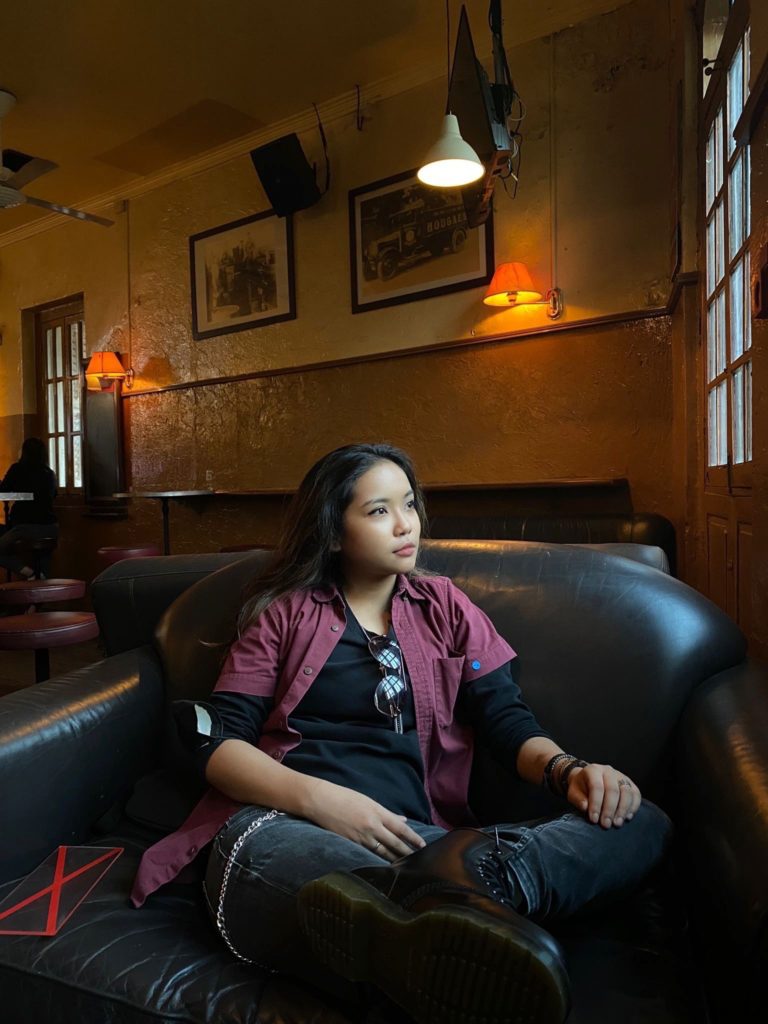
Photo Credit: Vanessa T
During my school years, I was very quickly labelled “the troublemaker.” Both in my primary and secondary school days, I was always somewhat of an outcast, albeit for the friends who were closely aligned with who I was and did not care about what I was labelled as.
I had a strong personality, completely and utterly extroverted, and I cared a lot about other people. I also had very strong convictions then and now. But what labelled me as something so notorious was the fact that I did not agree with any or most of the rules that were placed upon me from a very young age.
Completely disassociated with authority in general, I believed a lot in freedom and asking “why?”, instead of complying and following blindly. This set me apart from almost everyone I encountered, and it was a very lonely journey for me. I had absolutely no conception of these things at the time, and often expressed myself freely without considering social norms.
“Vanessa, it’s time to take your medicine”
I realised that the only thing that prevented me from being completely ostracised from everyone in school was the fact that I always did well for the examinations. It was easy for me to understand concepts and internalise what examiners were looking for and what they wanted from students in general. But without any concept of time or what being a “good student” entailed, such as participating positively in class, paying attention in all classes, and studying consistently all throughout the curriculum, I mostly left all my studying to the very last minute and still managed to top my classes in a lot of subjects.
It was my behaviour in school – being completely disassociated from classes I did not connect with a particular teacher in, or doing things that I was not supposed to do, or acting completely out of the norm e.g. running towards a wall of lockers and fly-kicking one of them until it completely disintegrated – that was a cause of concern for all the adults in my life at the time. This was one of the reasons why most of the adults in my life wanted to assess me deeper and I was brought to a child psychologist at the age of 14 and eventually diagnosed with severe ADHD.
Photo Credit: Vanessa T
“It was very obvious that I was an extremely emotional person.”
Being inattentive was just one of the aspects. Coupled with my loud and sometimes excessive personality, it was very obvious that I was an extremely emotional person. I would fight for my friends when they were wronged and I felt all of it and the anger. When I was happy, I was screaming unnecessarily and was looked at by the public weirdly. I acted a lot on impulse and I did not understand why I did these things.
I did not internalise my condition at all after my diagnosis. I felt like it was an excuse so that other people could accept me as I was, and it was even worse for me when the adults in my life started treating me as an alien in their lives. It made me even more different than I already was.
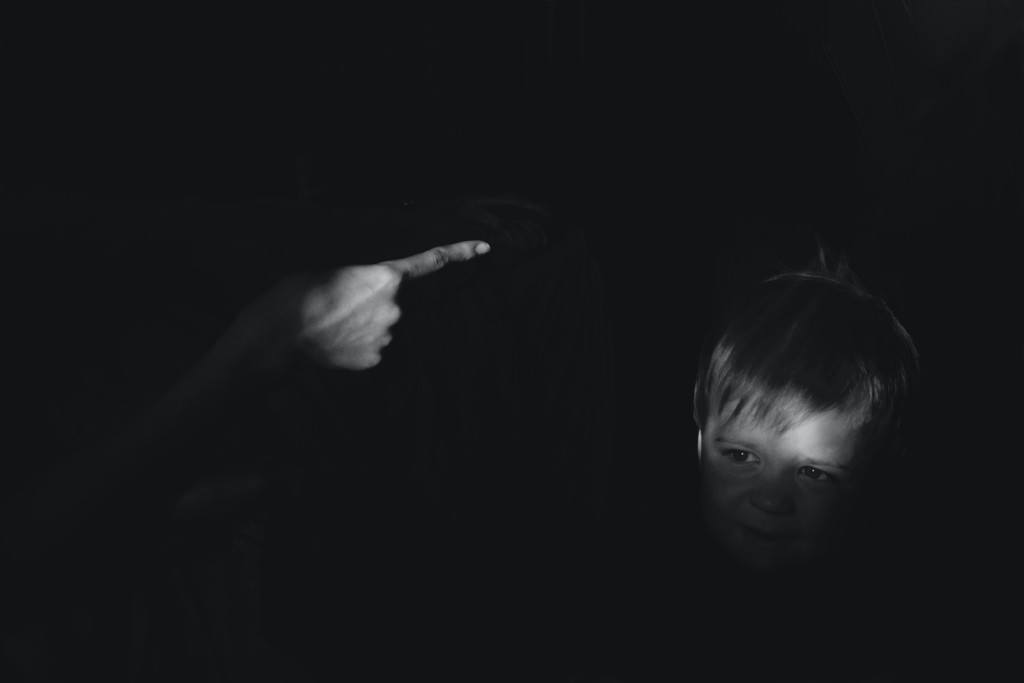
Photo by Artyom Kabajev on Unsplash
The teachers in my secondary school were not empathetic and did not want my friends mixing around with me. And for the rest of my secondary school life henceforth, every single day in class, my teacher would announce out loud in front of everyone “Vanessa, it’s time to take your medicine.”
It was completely humiliating and it did not help me internalise my condition at all. I lived like this every day, and I started to hate myself and the ‘condition’ that ‘made’ me this person. It was only much later in my life that I started to make sense of who I was.
In my late adolescent years, it seemed that my “behavioural problems” remained consistently troubling; erratic, and I continued along a trajectory of risky behaviour and soon realised that I also had an addictive personality as well. These issues pushed me to seek help for my problems and get the help that I needed so that I could sustain entering into adulthood and be “normal” when I got there.
“I don’t know.”
I met a brilliant art psychotherapist who had ADHD herself as an adult, and she taught me everything about what I know about my condition. I related to her so well. And she was so patient and kind, and it was after working with her for a long time to try to figure myself out better that i started making sense of everything in my life and the traits that I possessed that others did not.
My intense emotions and impulsivity were major factors that I had to come to terms with in regards to my ADHD. It wasn’t about not being able to sit still, or being hyperactive- It was much more than that.
I recall countless instances in my Secondary School life where I was in the principal’s office, and everyone would keep asking me the same question – “why did you do that?”, and I would be crying, with my head in my hands, trying to figure it out, and eventually answering “I don’t know.”
After I sought help and was more educated about my condition, I could finally answer these questions. The day that I broke that locker to pieces, I remembered feeling extremely jovial and elated in the morning for some reason. My mood was so heightened, and I remember walking back to class with my classmates after recess. I saw the lockers in sight, and that was when I had a sudden burst of energy and attacked it. It may not seem logical, but it makes perfect sense to me now.
“I only knew how to be myself and the reality was that I had very little control over most of the things I felt and what I did.”
People with ADHD tend to experience emotions more intensely and this weighs very heavily on the way we behave. I did not know how to regulate my emotions at that age, and it was only much later – once I started to internalise my condition, accept myself, and love the person that I was regardless of my atypical nature- that I finally took control of my life and learnt how to manage my condition and myself better. I learnt many things. And I learnt that you don’t just “get rid” of your ADHD, you only learn how to cope with it.
Having been punished, humiliated and ostracised consistently in school for my aberrant and unpredictable behaviour, I realised how hard it was for me then. I did not wish to intentionally be rebellious or go against the grain; I only knew how to be myself and the reality was that I had very little control over most of the things I felt and what I did. It was so tough for me even when I had done exceptionally well for my O levels, entered Junior College and produced good grades for my A levels.

Photo by Brannon Naito on Unsplash
When I finally entered into adulthood, after being enlightened with education and with my experiences, I realised the glaring gap prevalent in society and in Singapore- that institutional changes needed to take place with respect to mental health issues in general. Not only in homes, in society, but in policies, and especially in schools. Different approaches need to be made available.
Training needs to be provided for our teachers and our caretakers for the current and the next generations. The stigmatisation of mental health and illness in this country needs to change. This has made me a strong advocate for mental health in our society, and someone who is determined to aspire change and inspire others who are not neurotypical.
[If you liked this story and found it helpful, please SHARE it. For more personal stories about ADHDers, please click here.]


Leave a Reply